A Warm Evening Ritual in the Workshop
When the day’s noise fades, the workshop turns quiet and golden—a place to slow down, care for metal tools, and let antique molds become part of the evening calm.

Cover: https://www.flickr.com/photos/internetarchivebookimages/14595503269/ Source book page: https://archive.org/stream/industrialcubabe00port/industrialcubabe00port#page/n314/mode/1up · Wikimedia Commons · Public domain
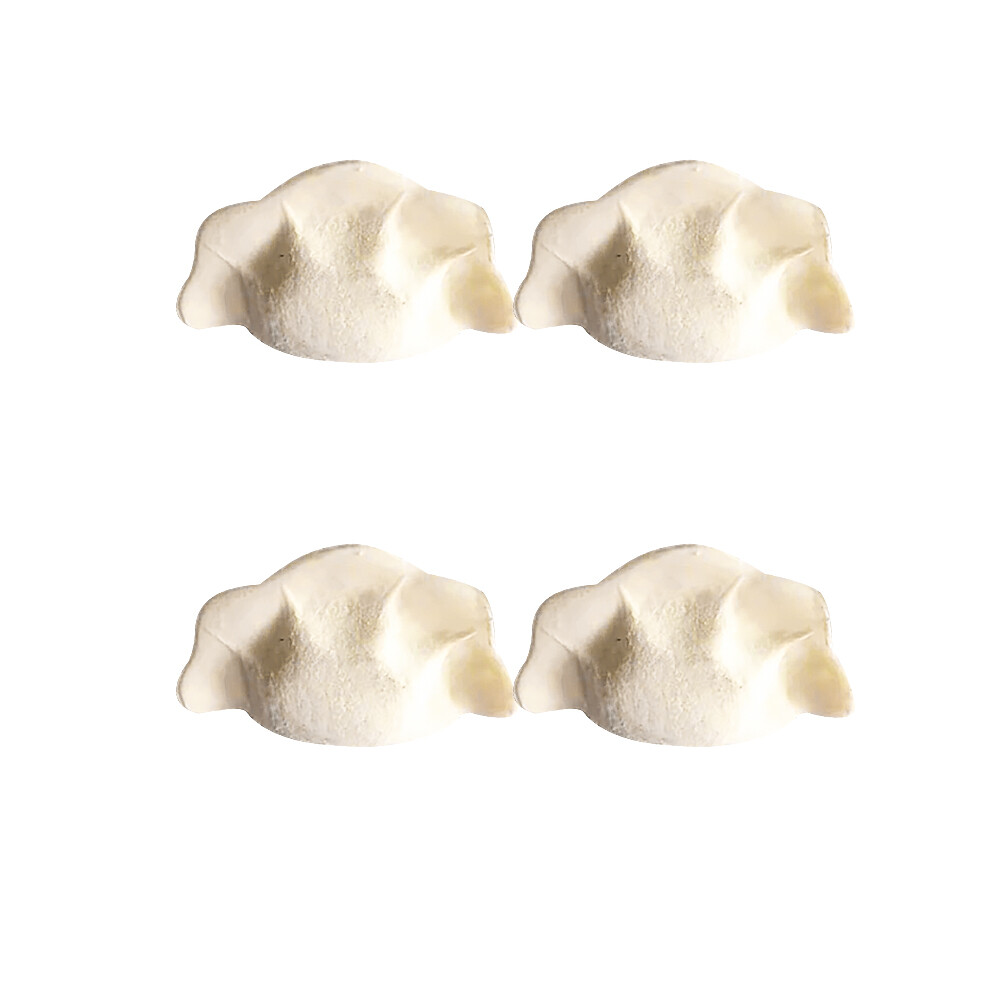
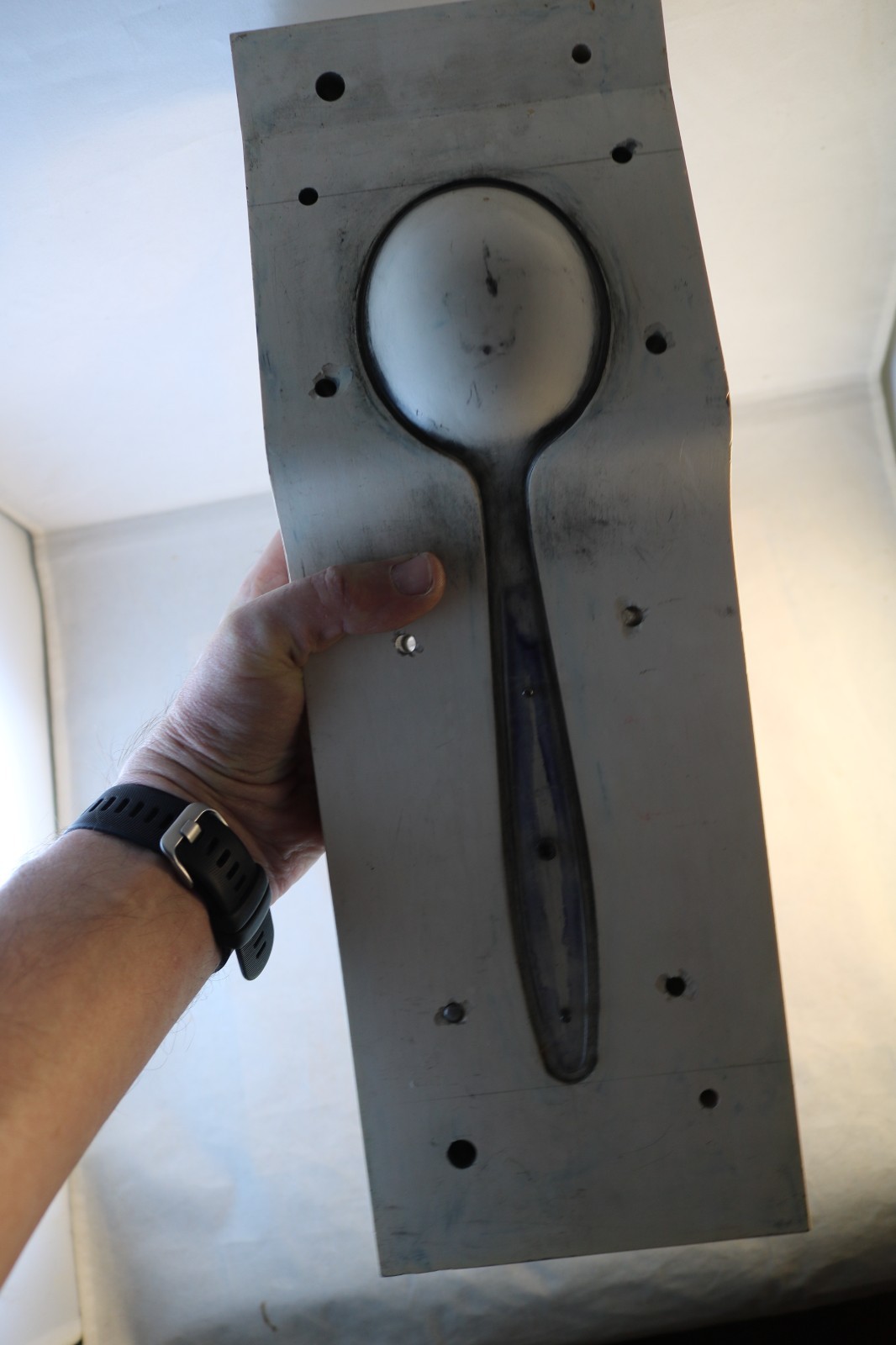
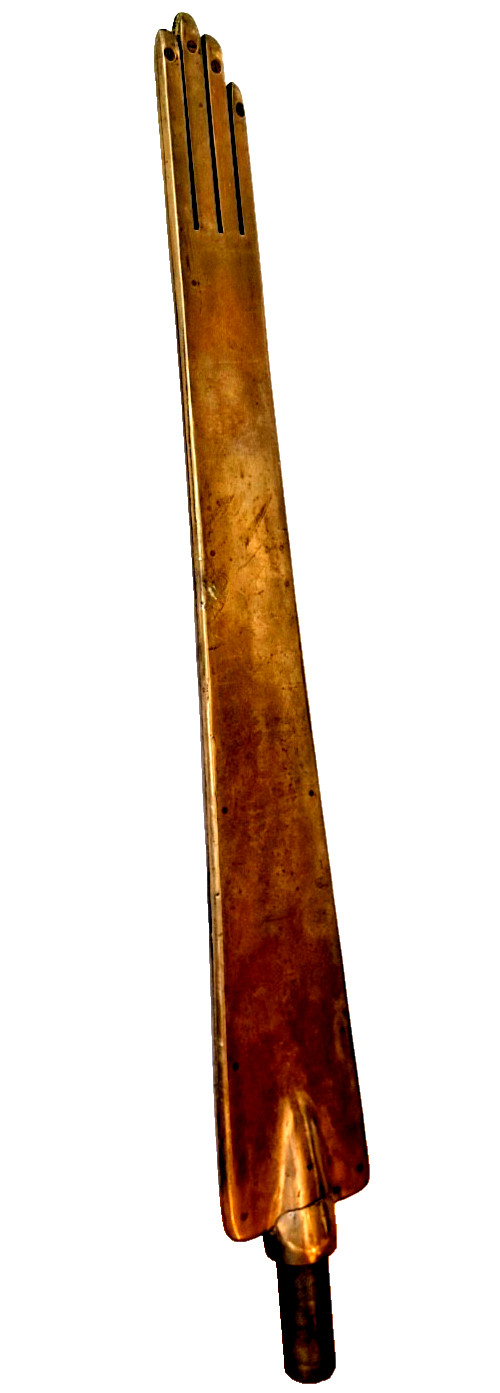
Scene: The shop door clicks shut. Outside, the sky streaks orange and violet, but inside, a small lamp on the workbench makes a pool of light. On the shelf above, the commercial automatic dumpling machine mold catches a highlight along its steel edge. Next to it, the aluminum foundry mold for a prototype spoon leans against a stack of cloths, and the antique brass glove-and-arm form stands at the far end like a silent figure keeping watch. The scents of metal dust and tea mingle. It is time for the nightly ritual.
Dim the Lights, Widen the Quiet
The first move is to soften the room. Overhead fluorescents stay off; a warm table lamp or a string of low lights turns the workbench into an island. This is the moment when the day’s production recedes and the workshop becomes a lounge for the hands. The commercial automatic dumpling machine mold, which spent the day pressing rows of dough, now rests on a clean cloth. Its repetitive geometry looks almost meditative in the half-light.
Give Every Mold a Home
Storage is part of the ritual. A wall-mounted pegboard or a deep shelf keeps the heavy pieces within reach but out of the way. The aluminum foundry mold for a prototype spoon deserves a cradle of its own, perhaps a wooden block carved to fit its shape. The antique brass glove-and-arm mold stands on a low cabinet, where its curved silhouette can be seen from the stool. When each object has a place, the room clears itself without effort.
Comfort for the Evening
The ritual is easier with a padded stool, a mug of something warm, and soft music turned low. The hands move slowly: a dry brush to clear dust from the grooves, a cotton rag to wipe the brass glove-and-arm form until it glows. There is no rush. The foundry mold is too heavy to lift casually, so it stays on its shelf and receives a gentle sweep instead. The evening is about the feeling of holding a tool, not the output it makes.
Close the Circle
Before switching off the lamp, take a slow walk around the workbench. Replace the brush, hang the cloth, and line up the molds so the shapes still converse with each other. The commercial dumpling machine mold sits beneath the brass hand form; the aluminum spoon mold leans near the door edge. The room is set for morning. Leaving it orderly is the last tender act of the evening—a promise that the space will be ready when you return.