Choosing raw materials metal stock for a project usually comes down to thickness, footprint, and how precise you need the cut to be. Two 6061-T6 aluminum plates are on the table: a compact, lower-priced plate and a larger, higher-priced plate. Both are new, made in the United States, and use the same alloy and temper.
Quick Verdict
For a small prototype, fixture plate, or shim, the smaller plate is the straightforward pick: it is the lower-priced option, fits on a benchtop, and carries a ±1/8-inch tolerance suited to non-cosmetic work. For a larger structural or machining project that needs thicker material and a tighter ±0.06-inch cut, the larger plate is the one to choose.
Comparison at a Glance
| Product | Listed Price | Thickness | Footprint | Tolerance | Price Bar |
|---|---|---|---|---|---|
| 1/4\" 12x12 6061 T6 | USD 29.87 | 1/4\" | 12\" x 12\" | ±1/8\" | |
| 1/2\" 16x19 6061 T6 | USD 158.08 | 1/2\" | 16\" x 19\" | ±0.06\" |
Where the Smaller Plate Wins
The compact plate is the lower-priced of the two, and its square footprint is easy to handle on a bench. It is not a cosmetic sheet, so minor scuffs or scratches are acceptable for parts that will be machined, buffed, or painted later. If you want a small piece of 6061-T6 to test toolpaths, make a mounting plate, or cut into small blanks, this is the size to buy.
Where the Larger Plate Wins
The larger plate provides twice the thickness and more than twice the surface area of the smaller one. Its listed tolerance is tighter, which makes it a better starting point for parts where dimensional accuracy matters before machining. For a structural piece or a project that needs a bigger blank, this plate delivers the extra material.
Product Notes
1/4\" Aluminum Plate 12\" x 12\" 6061 T6 (Not Cosmetic)
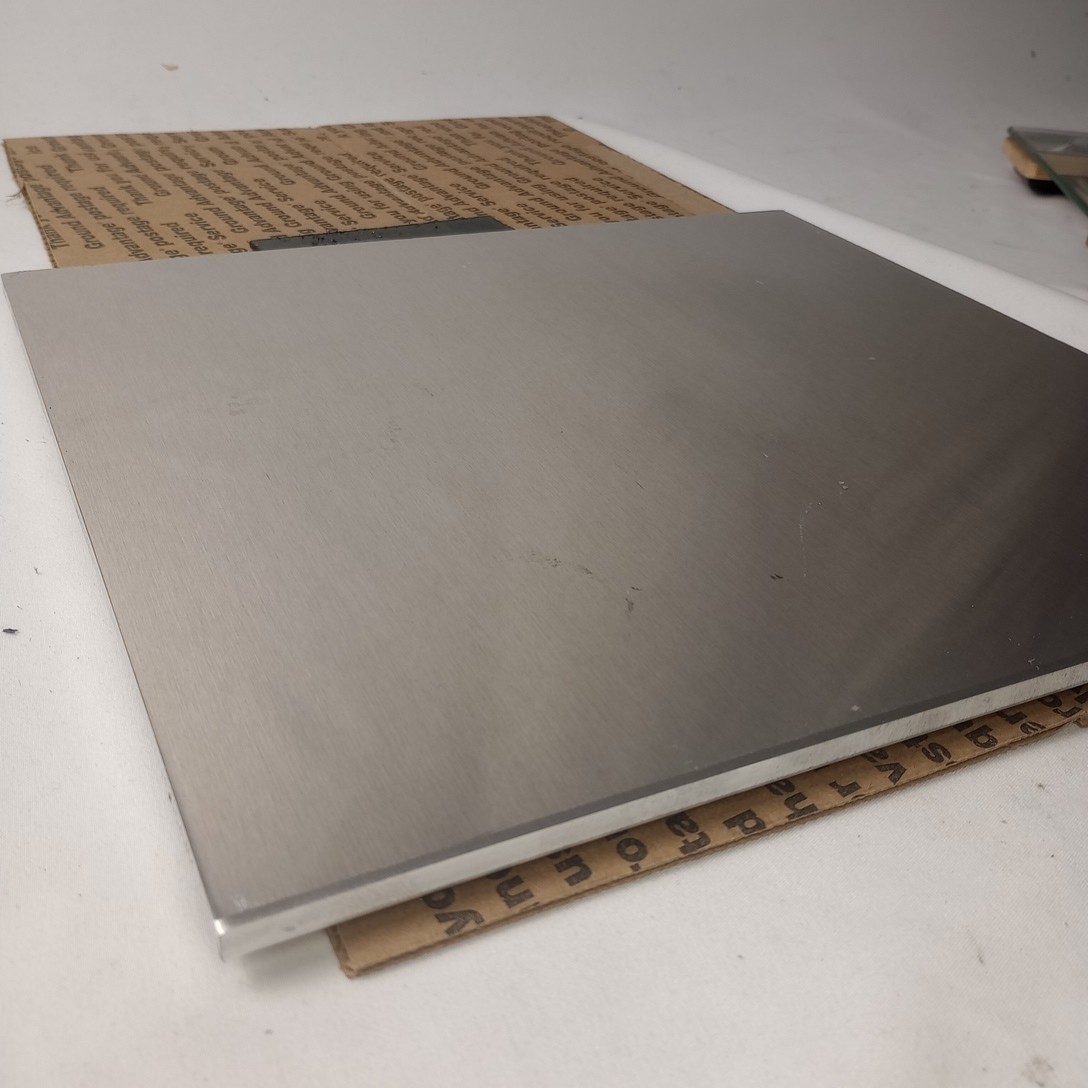
This 6061-T6 plate is cut to a 12-by-12-inch square, giving you a compact work surface for bench-scale projects. The listed price makes it the more accessible entry point for a small project. Minor scuffs or scratches should be expected because it is not a cosmetic sheet, and you can buff or polish it if appearance matters for a visible part. The looser tolerance is worth noting for precision work, but for general fabrication, mounting plates, or prototype blanks it is usually acceptable. The main limitation is the smaller footprint: if your project needs a large sheet, you'll hit the 12-inch limit quickly, and you'll cover only a fraction of a larger workpiece.
1/2\" x 16\" x 19\" Aluminum 6061 Sheet Plate
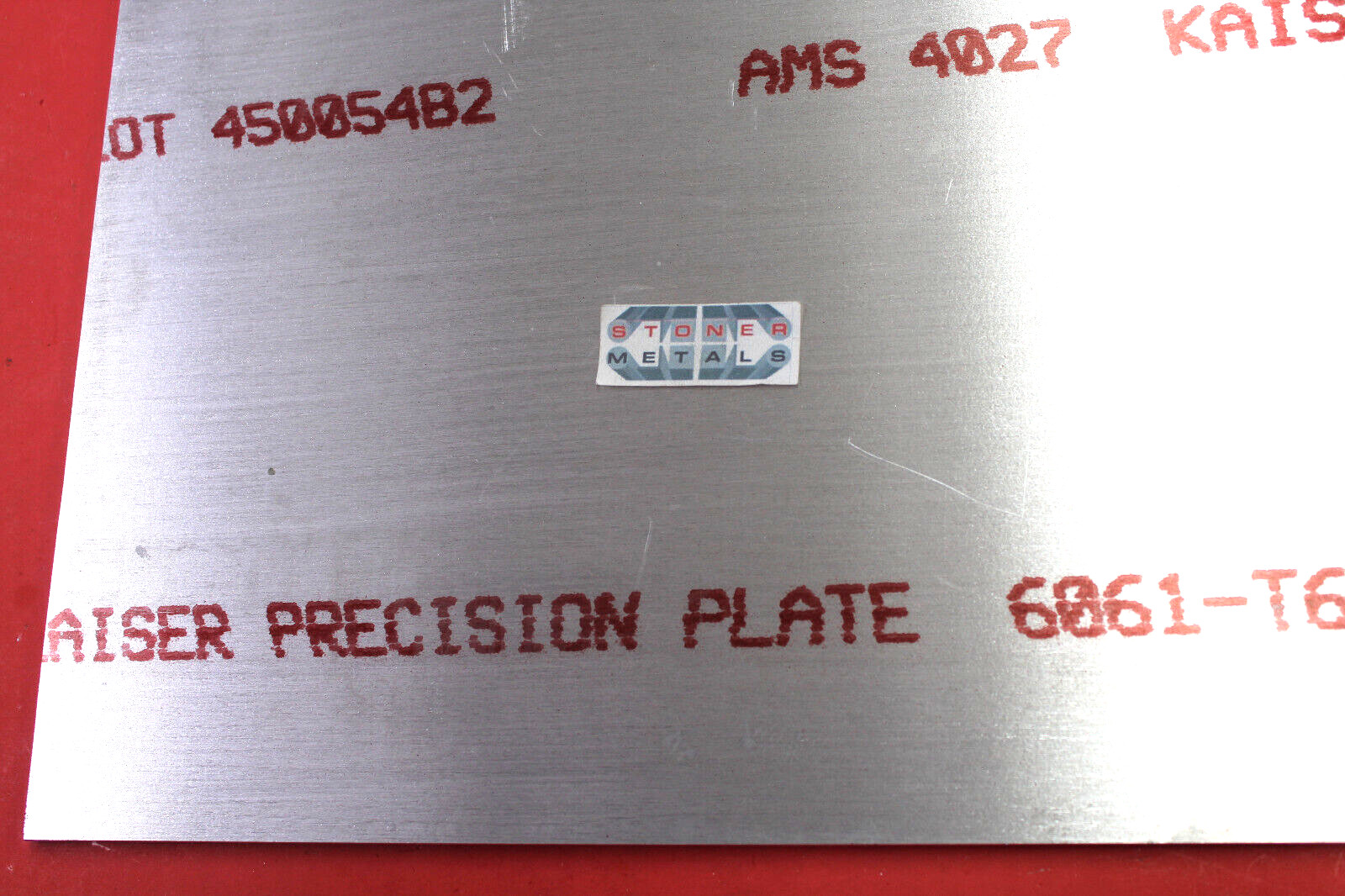
This plate increases material thickness and provides a much larger working area, so it suits projects that need a bigger blank. It is cut new from the plate stock, and its tighter tolerance gives you a closer starting size for machining before you make your own cuts. The trade-off is the higher listed price and the bench space needed to handle a piece that is more than twice the area of the smaller plate. If you're making a fixture table, a large bracket, or a structural plate, the extra material and tighter spec can reduce the setup time. Choose it when you need the volume and dimensional control.
Final Choice by Use Case
Choose the smaller 12x12 plate when you need a compact, lower-cost piece of 6061-T6 for small jobs, non-cosmetic parts, or machining experiments. Choose the larger 16x19 plate when you want a thicker, larger blank with a closer tolerance for structural pieces or precision machining.