Choosing a Plastic Filament Extruder
Two new single-screw extruders bracket a huge price gap. The 3D Filament Single Screw Extruder 110V/220V is listed at USD 149.99, while the 110V Filament Single-Screw Extruder is listed at USD 1,567.50. That's a USD 1,417.51 spread. If you are setting up a filament lab, the decision is not just about price-it's about whether you need voltage flexibility or production controls.
Quick Verdict
Choose the 3D Filament Single Screw Extruder 110V/220V if you want the lowest-cost path to a single-screw extruder. Choose the 110V Filament Single-Screw Extruder if you need a machine that lists adjustable temperature/speed, a defined motor/heating power profile, and a wider set of compatible materials. The more expensive machine is built around more stated control and output specs.
Price and Feature Comparison
| Product | Listed Price | Price Bar | Key Points |
|---|---|---|---|
| 3D Filament Single Screw Extruder 110V/220V | USD 149.99 | Three heating coil configuration; also lists 2.5mm filament | |
| 110V Filament Single-Screw Extruder | USD 1,567.50 | Temperature and speed adjustable; defined output specs |
Where Each Product Wins
- The lower-priced extruder is the budget win and lists universal brand/model compatibility.
- The pricier extruder wins when you need a stated control system and a broad material list.
- The pricier machine also positions itself as a mother machine-tool that requires auxiliary equipment to finish production.
- The lower-priced machine keeps the entry cost down for experimenting with 3D filament.
Product Notes
3D Filament Single Screw Extruder 110V/220V
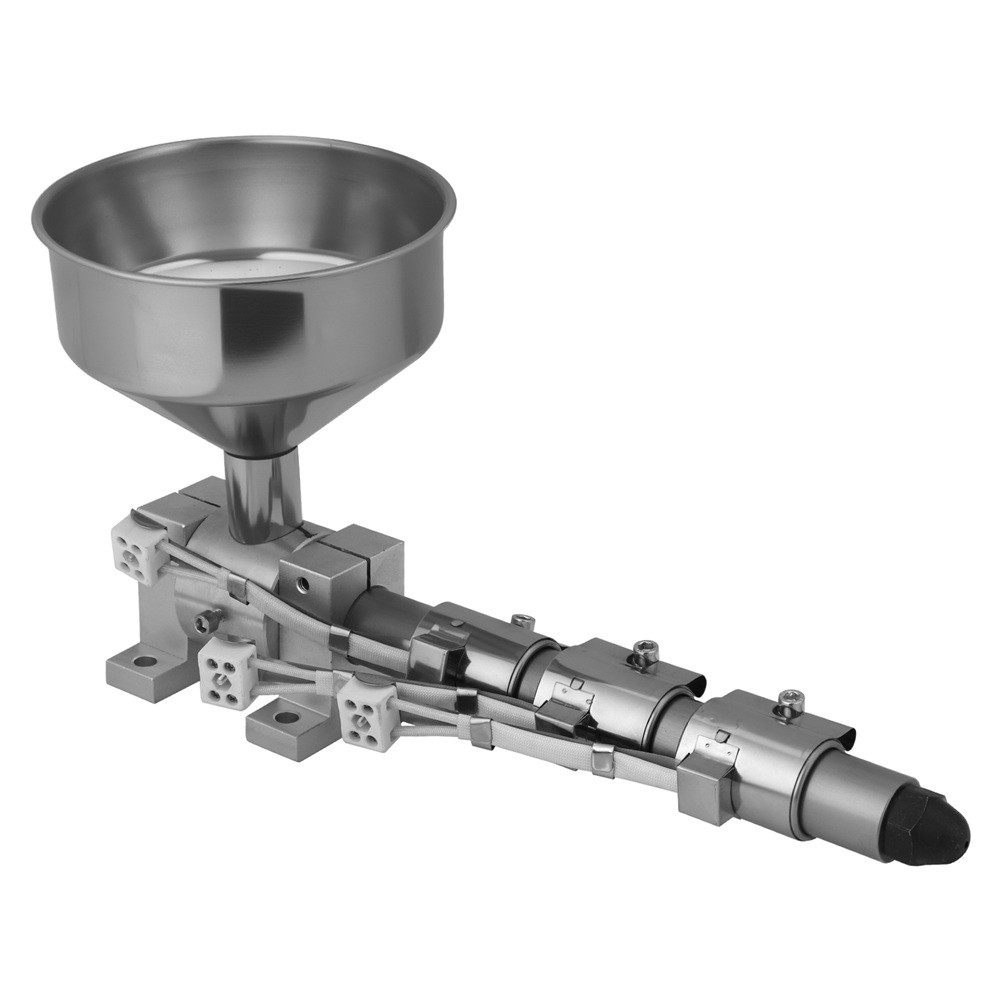
This is the entry point in the comparison. It is a new single-screw extruder that lists a three heating coil configuration and a 2.5mm filament diameter, plus universal compatibility for brands and models. If you are working on a small bench or need to experiment with filament making, the lower price leaves room in your budget for auxiliary gear such as cooling or a winder. The 110V/220V support is a practical advantage in workspaces where the power supply changes between circuits. The concrete limitation is the fixed 2.5mm filament diameter: the listing specifies that size, so work that depends on a different filament diameter will need a different machine or an adjustment plan. For simple extrusion tasks, that is acceptable; for fine process control, you will want the pricier unit.
110V Filament Single-Screw Extruder
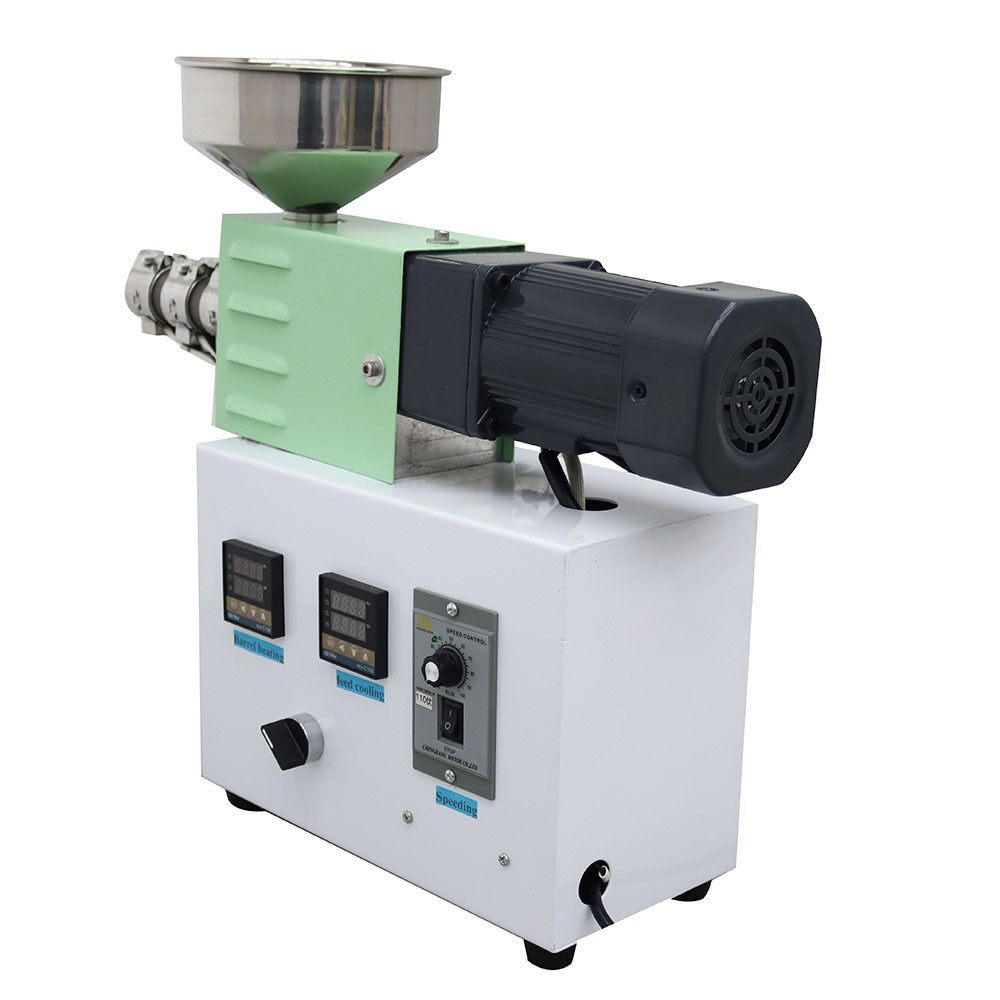
This INTSUPERMAI unit is the more specified machine. It lists temperature and speed adjustment, a screw speed range of 0-25 r/min, 90W motor power, 300W heating power, and a maximum output capacity of 0.1-0.5kg/h. The description names PEEK, PCL, ABS, PLA, PETG, TPU, and TPE as compatible materials, which is helpful if you are moving beyond basic PLA. It also includes a 6-month manufacturer warranty as a stated reassurance. The limitations are also part of the listing: the machine is 110V only, and the description calls it a mother machine-tool that still needs auxiliary equipment-moulds, cooling, hauling, winding, or cutting-to finish products. So the higher price buys more control and material range, but not a turnkey system.
Final Choice by Use Case
- Budget-conscious bench setup: the 3D Filament Single Screw Extruder 110V/220V.
- Dual-voltage or universal-compatibility needs: the 3D Filament Single Screw Extruder 110V/220V.
- Temperature- and speed-controlled extrusion with varied thermoplastics: the 110V Filament Single-Screw Extruder.
- Defined output and power specifications: the 110V Filament Single-Screw Extruder.