Choosing between two used industrial machines for textile apparel work comes down to seam type and material range. The Union Special 51-400 and the Singer 151w3 are both industrial sewing machines in used condition, yet they are set up for different jobs. One handles parallel stitches for heavy garment seams; the other has a walking-foot feed for medium-weight materials and light leather. Neither is a universal machine, so your choice should be driven by the seams you repeat most often.
Quick verdict
The Union Special 51-400 is listed at $250, and the Singer 151w3 is listed at $265, so the price spread is 6%. That is a modest gap, and it should not overshadow the bigger difference in stitch type. Pick the Union Special for heavy garment seams. Pick the Singer for mixed materials.
| Union Special 51-400 | Singer 151w3 | |
|---|---|---|
| Listed price | USD 250.00 | USD 265.00 |
| Needle setup | Double needle | Single needle |
| Stitch type | Chain stitch | Lockstitch |
| Needle spacing | 3/16 in between needles | One needle |
| Best suited for | Jeans, trousers, pants, coats | Material, denim, light leather, vinyl |
| Condition | Used | Used |
| Country of origin | United States | United States |
Where each product wins
The Union Special 51-400 wins for shops that run heavy garment seams all day. The Singer 151w3 wins for work that moves across mixed materials. If you need two rows of stitching in one pass, the Union Special has the advantage. If you need one clean stitch row, the Singer has the advantage. Both share an industrial, mechanical build and a United States origin, so the practical difference is in the seam they produce. That difference matters more than the 6% price gap when you are matching a machine to a recurring job.
Industrial Sewing Machine Union Special 51-400 double needle chain
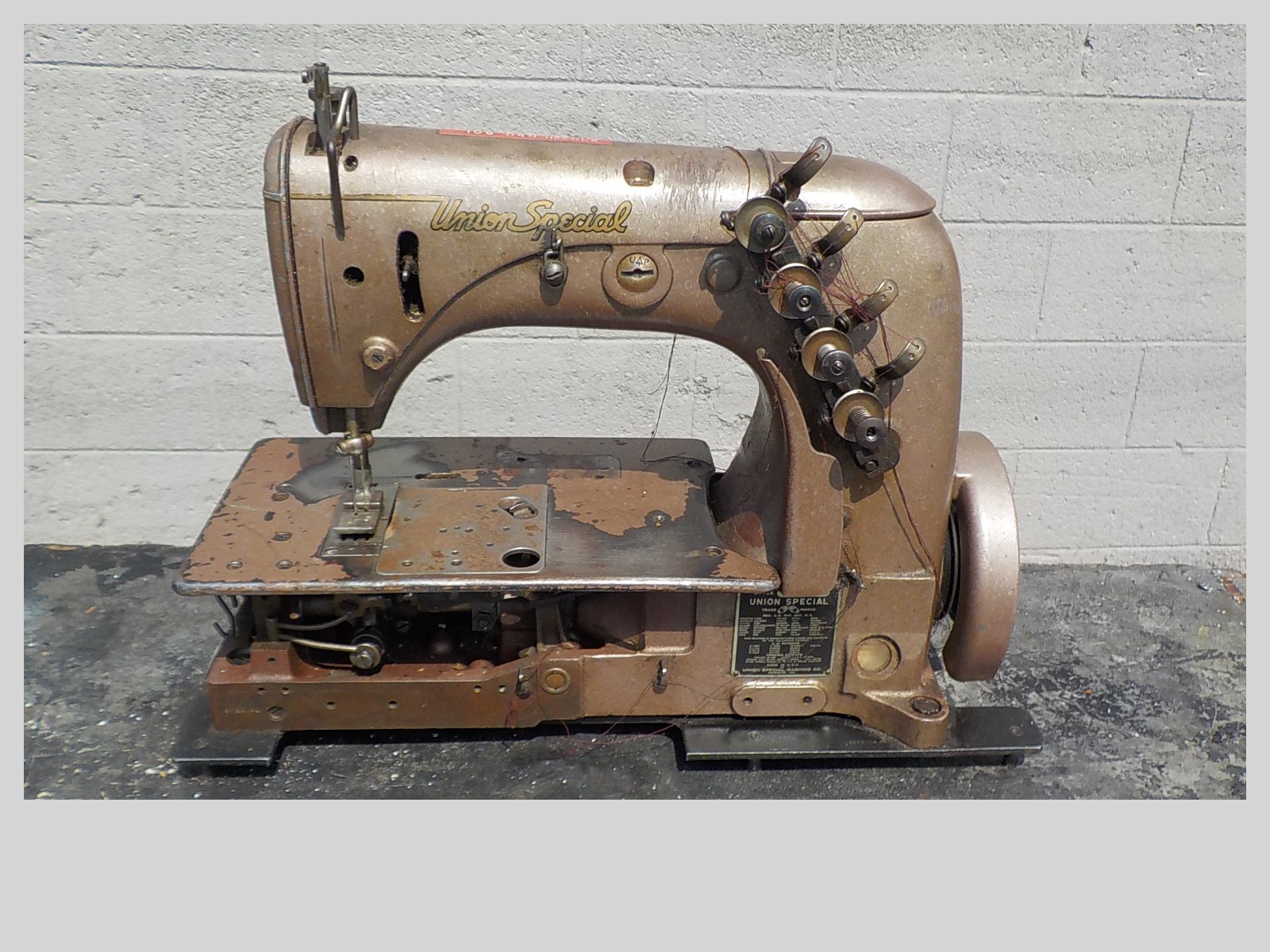
This machine uses a double-needle head with 3/16 inch between needles. That spacing is what makes it a good fit for heavy garment sewing, because it creates two parallel rows of chain stitching in one pass. For anyone regularly seaming jeans, trousers, pants, or coats, that configuration saves setup time compared with creating the two rows in separate passes. If your shop is set up for heavy outerwear and work pants, that double-row capability can be exactly what you are missing. The main limitation is that it offers less flexibility for lighter fabrics and jobs that need only one row of stitches, so it is not the machine to choose when your workload is mostly single-pass assembly work.
Vintage Industrial Sewing Machine Singer 151w3 one needle walking foot
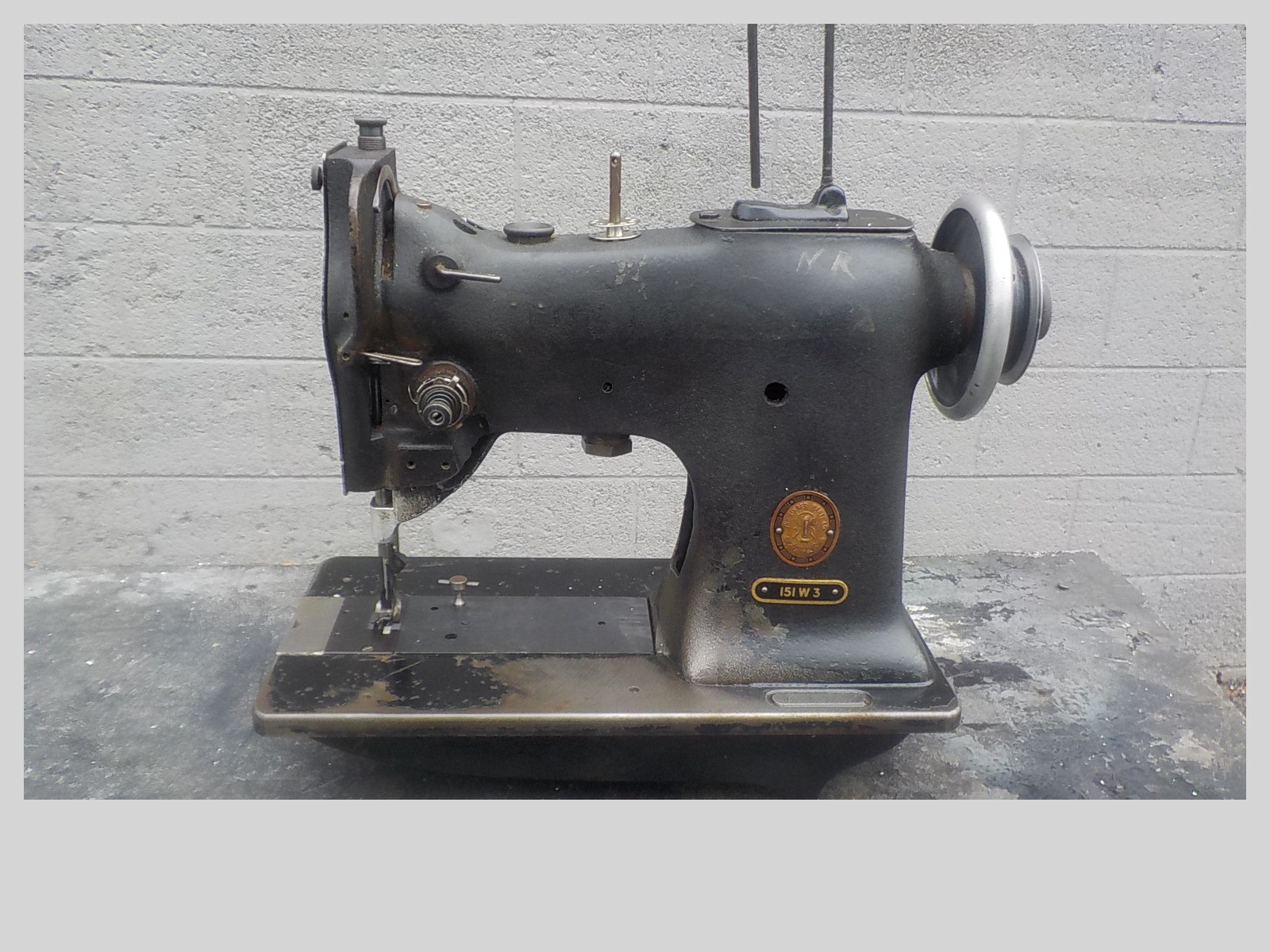
This machine uses a small walking foot and a single needle to make lockstitch seams. The walking foot helps keep layers from shifting when you sew material, denim, light leather, or vinyl, which is why this model is a useful match for mixed-material work. The machine is complete and in good condition, but it is sold as a head only, so you will need a table and motor from your own setup. It may also need additional cleaning after being sold from surplus stock, and you should plan for that before you put it into regular service. For one-needle projects on medium-weight materials, this is the stronger choice.
Final choice by use case
If your priority is heavy garment seams, choose the Union Special 51-400. If your work spans mixed materials that shift while sewing, choose the Singer 151w3. The price difference becomes secondary once you know which seam type you need, because the right machine is the one whose stitch pattern matches the majority of your workload.