If you're in the market for molds, dies, or casting gear, these two products ask a simple question: do you want to make something, or do you want to show something? On one side is a vintage Scovill wood foundry pattern with hand-painted markings. On the other is a new graphite ingot mold shaped for 1 oz silver bars. They both cost around $27, but they serve very different jobs.
Quick Verdict
Pick the Graphite Ingot Mold for Casting 1 oz Silver Bar if you plan to melt and pour silver into a compact bar. Pick the Vintage Scovill Wood Foundry Pattern if you're after a weathered piece of industrial Americana with brass locating pins and worn wood character.
Comparison at a Glance
| Product | Listed Price | Price Bar | Key Difference |
|---|---|---|---|
| Vintage Scovill Wood Foundry Pattern Brown Industrial Casting Mold Decor Tool | USD 28.49 | Used wooden Scovill pattern with hand-painted marks | |
| Graphite Ingot Mold for Casting 1 oz Silver Bar | USD 26.95 | New graphite mold for producing 1 oz silver bars |
Where Each Product Wins
Vintage Scovill Wood Foundry Pattern
The Scovill wins if you want an object with a visible past. It's a solid brown-stained wood foundry pattern with a stepped arm profile, rounded end pads, and black hand-painted markings. It also has three brass locating pins on the underside, which hint at its original role in metal casting. This is not a pristine showpiece; it shows surface wear, scratches, small edge dings, darkening, and scattered discoloration. Those signs of age are exactly what make it feel authentic for a decor-minded workshop, shelf, or desk. The Scovill and "25234C-571" markings give it a sense of provenance that a new graphite block can't match. If you value character and old foundry charm, this is your choice.
Graphite Ingot Mold for Casting 1 oz Silver Bar
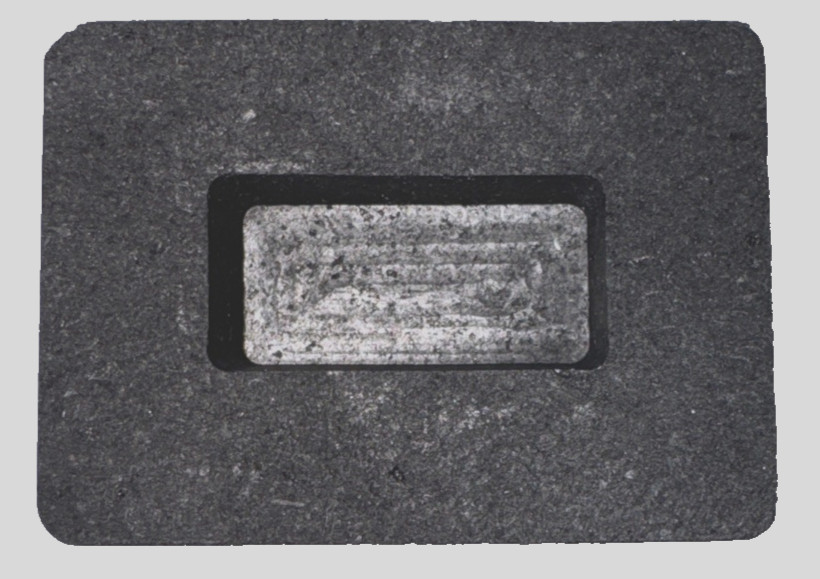
The graphite mold wins when you need a purpose-built tool for casting silver. It's new, made of graphite, and designed specifically to shape and solidify a 1 oz silver bar. Graphite helps produce a smooth, sleek surface on the bar, which matters if you're stacking, storing, or showing the finished ingot. It's positioned as a specialized mining-industry tool for precious-metal investment work. One important limitation: it's a mold only, not a crucible. You'll need a separate crucible to melt the silver before pouring. Also, if you want to cast gold, copper, or other metals, you'll need to account for the density of that metal to figure out how much capacity the mold will give you.
Product Notes
Vintage Scovill Wood Foundry Pattern Brown Industrial Casting Mold Decor Tool
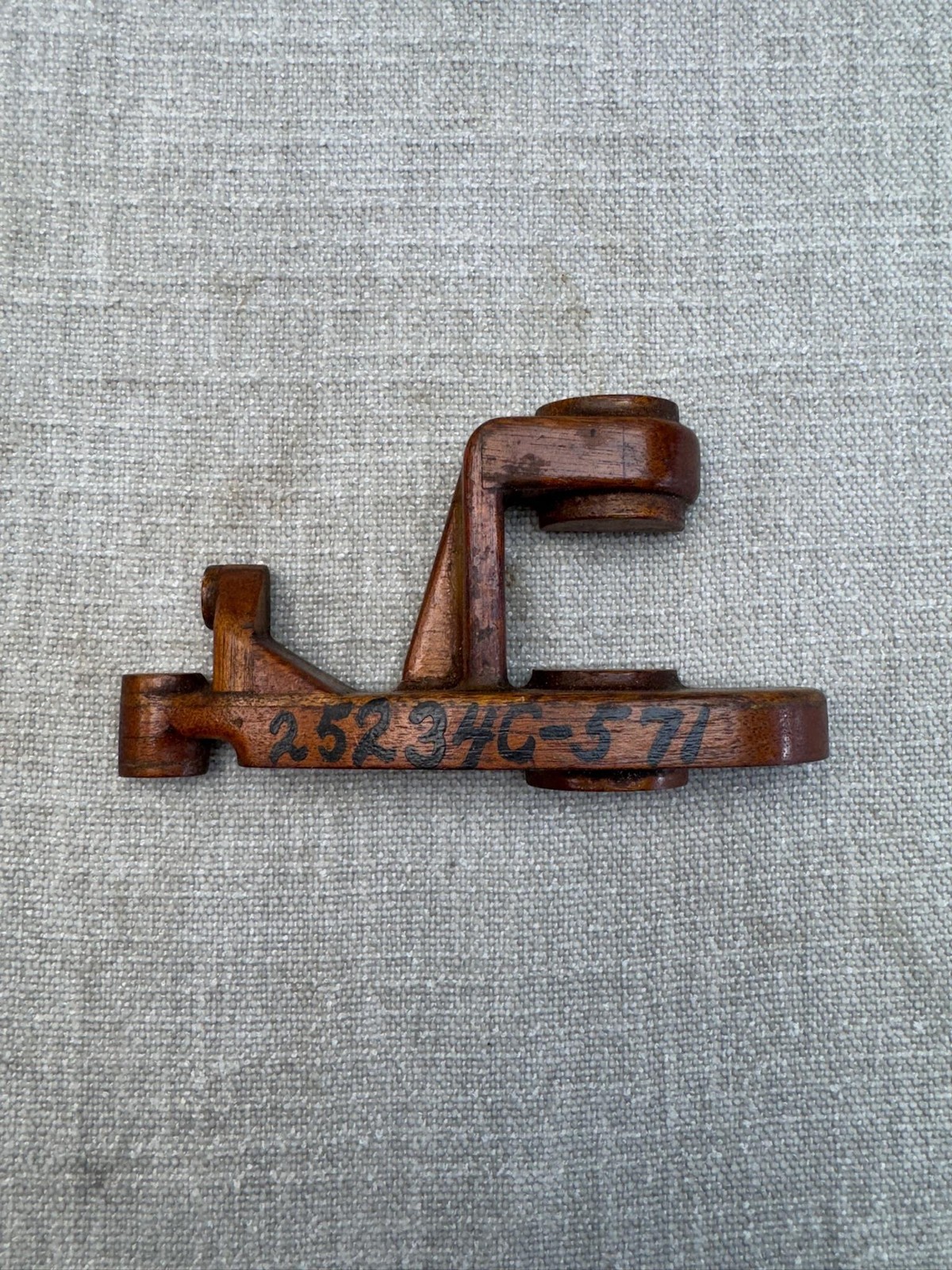
This used Scovill pattern is really two things at once: a foundry artifact and a display piece. The solid brown-stained wood, hand-painted black markings, and brass locating pins give it a workshop authenticity that a generic new mold wouldn't have. The form is an asymmetrical mechanical shape with raised circular bosses, a flat base, and an interior cutout, so it reads as sculpture even before you know it was once used for metal castings. The visible wear-scratches, edge dings, darkening, and discoloration-works in its favor if you want honest industrial age. On the flip side, this isn't a clean, uniform shop tool. If you're hoping for a crisp, unused look, the worn surfaces will likely be a drawback. This one is best for someone who enjoys aged texture and the story of a Scovill-made foundry pattern.
Graphite Ingot Mold for Casting 1 oz Silver Bar
This is a new graphite mold built for one straightforward job: making a 1 oz silver bar. The graphite material helps produce a smooth, sleek finish on the silver, which supports a polished, investment-ready result. It's also sized practically, with an outside dimension that the product notes call approximate, and it gives you a clear cavity for shaping the bar. The biggest thing to keep in mind is that it's a mold only, not a crucible. Melting and pouring silver requires separate equipment, and if you're casting gold or copper, you'll need to calculate metal density to understand capacity. But for silver, the path is simple: melt, pour, and let the graphite surface do its job. This is the product to choose if your goal is a functional casting tool for making a 1 oz bar.
Final Choice by Use Case
Choose the Graphite Ingot Mold when your goal is producing a 1 oz silver bar with a smooth finish for storage or investment. Choose the Vintage Scovill Wood Foundry Pattern when you want a used, character-rich foundry piece for industrial or primitive decor. Both are mold-related items at nearly the same listed price, but they belong in very different workflows.