Quick Verdict
The 20W Ray5 is the pick for power-focused jobs. The 10W Ray5 is the more flexible option for a range of materials and larger projects.
Comparison Overview
Here's how the two Longer Ray5 models stack up on listed price and headline specs.
| Product | Listed Price | Price Bar | Key Specs |
|---|---|---|---|
| Longer Ray5 20Watt Laser Engraver/Cutting Machine 24000mm/min | USD 247.99 | 20W output; 0.08x0.1mm beam; 3.5-inch touch screen; used | |
| Longer 10W Laser Engraver, Laser Cutter Machine, High speed up to 24000 mm/min | USD 235.99 | 10W output; 0.06mm spot; 400x400mm work area; new |
Where Each Product Wins
Where the 20W Ray5 wins: This model is geared toward power-intensive jobs, with a beam and control interface that favor detail work.
Where the 10W Ray5 wins: This model handles a wider variety of materials and accommodates larger pieces, making it a flexible shop addition.
Product Notes
Longer Ray5 20Watt Laser Engraver/Cutting Machine 24000mm/min
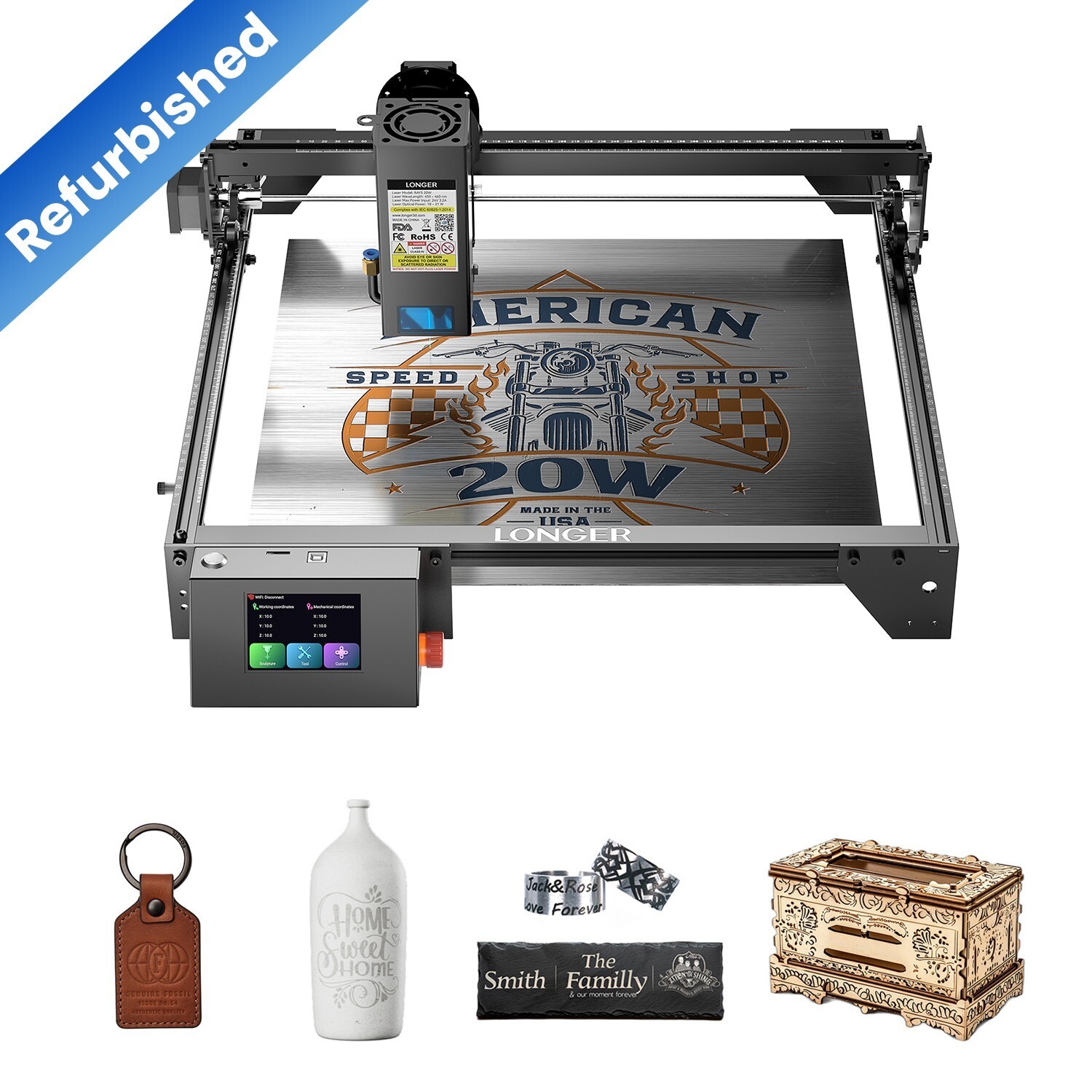
The 20W Ray5 is the high-wattage option in this head-to-head. At USD 247.99, it's the more expensive of the two listings, but you're paying for a 20W laser output and a compressed 0.08x0.1mm beam. The description highlights high-precision engraving and a touch-screen interface, which is useful for adjusting settings without connecting to a computer. For personalizing gifts or producing detailed cuts, this machine is positioned as a capable performer. The main drawback is the condition: this specific listing is used, so you're getting a pre-owned unit. If you prioritize raw power and are comfortable with a used machine, the 20W Ray5 is the one to consider.
Longer 10W Laser Engraver, Laser Cutter Machine, High speed up to 24000 mm/min
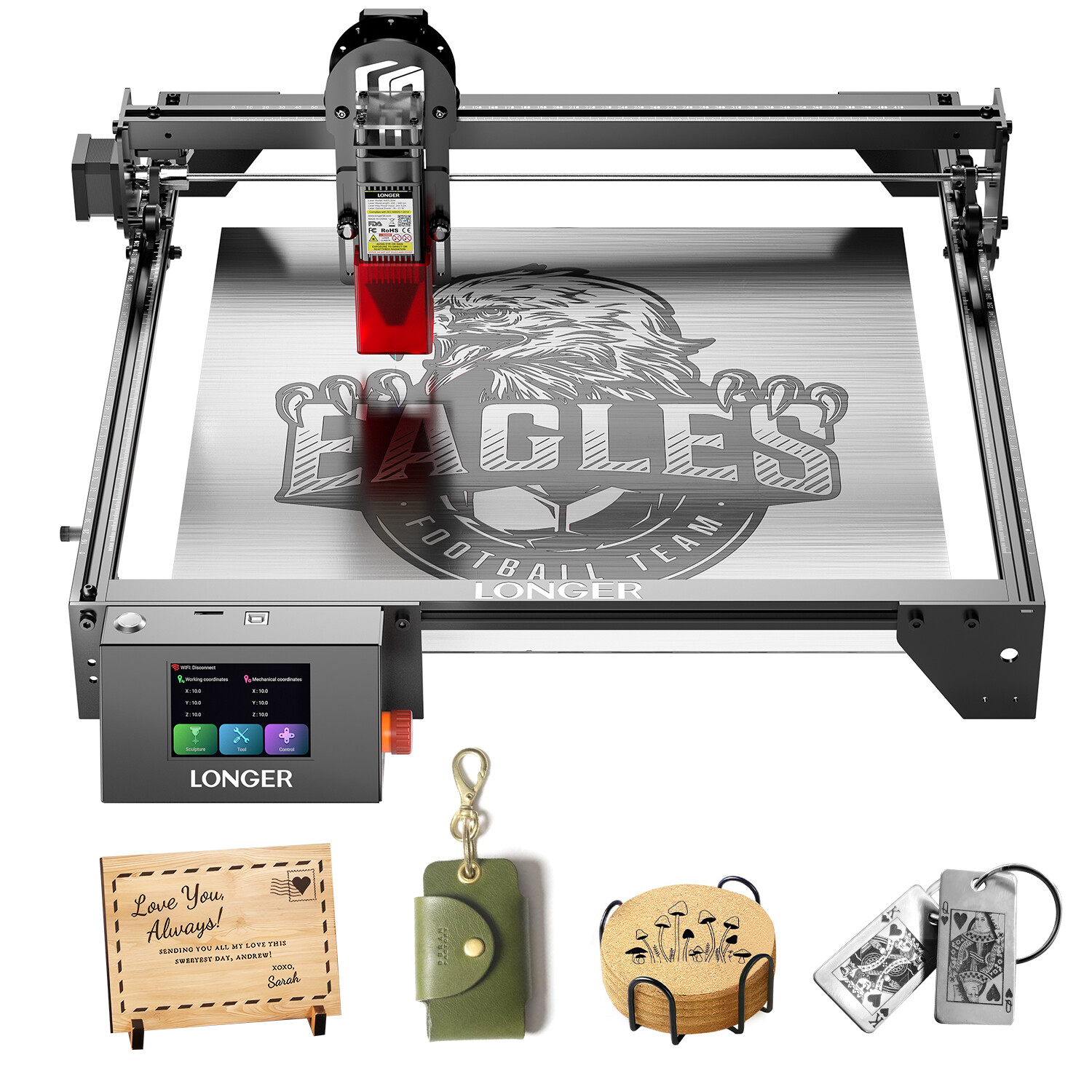
The 10W Ray5 is the new option at USD 235.99. The listing describes a 400x400mm working area, a 0.06mm laser spot for fine detail, and the ability to cut through 20mm wood and 30mm acrylic. It also lists a variety of carving and cutting materials, from wood and paper to leather and PCB boards. The 32-bit motherboard is mentioned as a stability feature. The limitation is the lower 10W output, which means it may take longer on dense or thick materials than the 20W model. For a new machine that balances versatility and detail, the 10W Ray5 is a practical pick.
Final Choice by Use Case
For power-focused engraving and cutting, the 20W Ray5 is the stronger choice. For versatility across materials and project sizes, the 10W Ray5 wins.